How E-Signatures Are Transforming Financial Services in 2026: Benefits, Security, and Compliance
Introduction: A Small Change That Made a Big Difference
A few years ago, I remember helping a family member apply for a loan. The process felt endless—printing documents, signing them, scanning again, and then emailing everything back. One small mistake meant starting all over again. It was frustrating, slow, and honestly, outdated.
Fast forward to 2026, and things look completely different. Today, financial institutions are moving faster than ever, thanks to digital tools like e-signatures. What once took days now takes minutes.
If you’re part of the financial industry—or even just someone who deals with banking paperwork—you’ve probably noticed this shift too. Let’s explore how e signature for financial services is changing the game and why it’s becoming essential.
What Is an E-Signature in Financial Services?
An e-signature (electronic signature) allows users to sign documents digitally without printing or scanning. In financial services, it’s used for:
Loan agreements
Account opening forms
Insurance policies
Investment documents
Tax filings
With the rise of free e signature software, even small financial firms can now adopt digital signing without heavy investment.
Why E-Signatures Are Booming in 2026
The financial sector is under constant pressure to deliver faster, safer, and more convenient services. E-signatures help meet all three demands.
1. Faster Processing Times
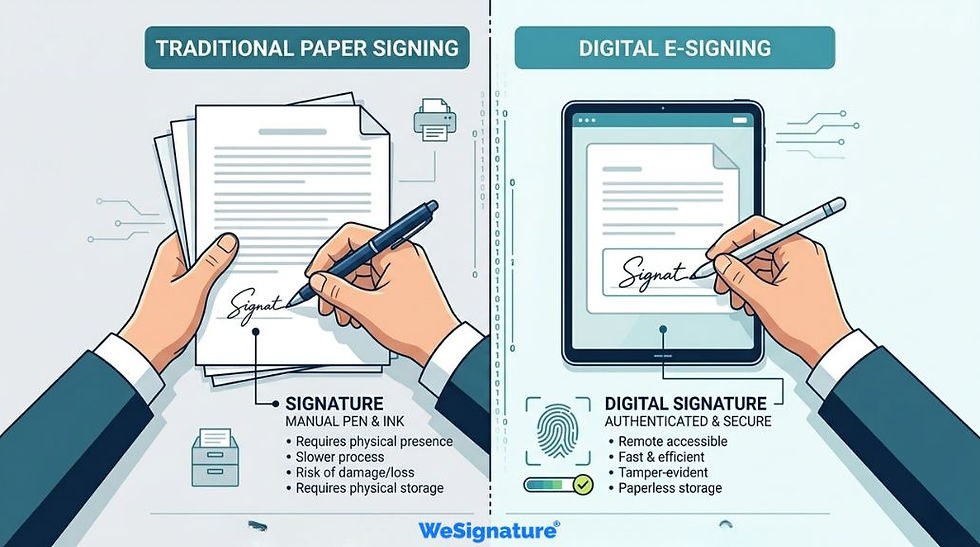
Loan approvals that once took days can now be completed within hours. Customers can sign documents instantly from anywhere.
2. Better Customer Experience
No one enjoys paperwork. E-signatures remove friction, making onboarding smooth and hassle-free.
3. Cost Savings
Printing, courier services, and storage costs are significantly reduced. Many institutions are switching to free e signature software to cut expenses further.

Key Benefits of E-Signatures for Financial Services
✅ Improved Efficiency
Automation reduces manual work and speeds up operations across departments.
✅ Remote Accessibility
Customers can sign documents from home, which is especially useful in rural or remote areas.
✅ Error Reduction
Digital forms often include validation checks, reducing mistakes and incomplete submissions.
✅ Eco-Friendly Operations
Less paper usage supports sustainability goals—a growing priority for financial institutions.
Security: Are E-Signatures Safe?
Security is one of the biggest concerns in finance—and rightly so.
Modern e-signature solutions use:
Encryption technology
Multi-factor authentication (OTP, biometrics)
Audit trails to track every action
These features ensure that documents are secure and tamper-proof. In fact, digital signatures are often safer than traditional handwritten ones.
Compliance and Legal Validity
E-signatures are legally recognized in many countries, including India, under IT laws and regulatory frameworks. Financial institutions must ensure their solutions comply with:
Data protection laws
KYC (Know Your Customer) guidelines
Regulatory standards set by authorities
Using trusted platforms like wesignature helps businesses stay compliant while maintaining efficiency.
The Role of E-Signatures in Tax and Documentation
Tax-related documentation is another area seeing rapid transformation.
With electronic tax signing software, individuals and businesses can:
File tax returns faster
Sign compliance documents securely
Reduce dependency on physical paperwork
This not only saves time but also ensures accuracy and better record-keeping.
How Financial Institutions Are Using E-Signatures
Here are some real-world applications:
Banks: Digital account opening and loan approvals
NBFCs: Faster credit processing
Insurance Companies: Policy issuance and claims processing
FinTech Startups: Seamless digital onboarding
Platforms like wesignature are making it easier for these organizations to adopt secure and scalable e-signature solutions.
Challenges to Consider
While the benefits are clear, there are still a few challenges:
Lack of awareness in smaller institutions
Resistance to change from traditional processes
Integration with legacy systems
However, as technology evolves, these challenges are gradually being resolved.
The Future of E-Signatures in Financial Services
Looking ahead, e-signatures will become even more advanced with:
AI-powered document verification
Blockchain-based security
Deeper integration with financial platforms
The shift toward digital is no longer optional—it’s necessary.
Conclusion
E-signatures are not just a convenience—they are transforming how financial services operate. From faster processing to improved security and compliance, the benefits are undeniable.
As we move further into 2026, adopting e signature for financial services is becoming a must for organizations that want to stay competitive and customer-focused.
Whether you’re a large bank or a small financial firm, now is the right time to embrace digital signing and simplify your processes for the future.


Comments